 Image 1 of 1
The face and voice are central to how we meet the world. They reveal something of our inner experience, but they are also places where we learn to adapt — to soften, conceal, appease or hold back in order to remain connected and belong.
In this postgraduate BCST course, Jane Shaw and Gráinne Delaney will explore the face and voice as living expressions of our physiology, our history and our relationship with others.
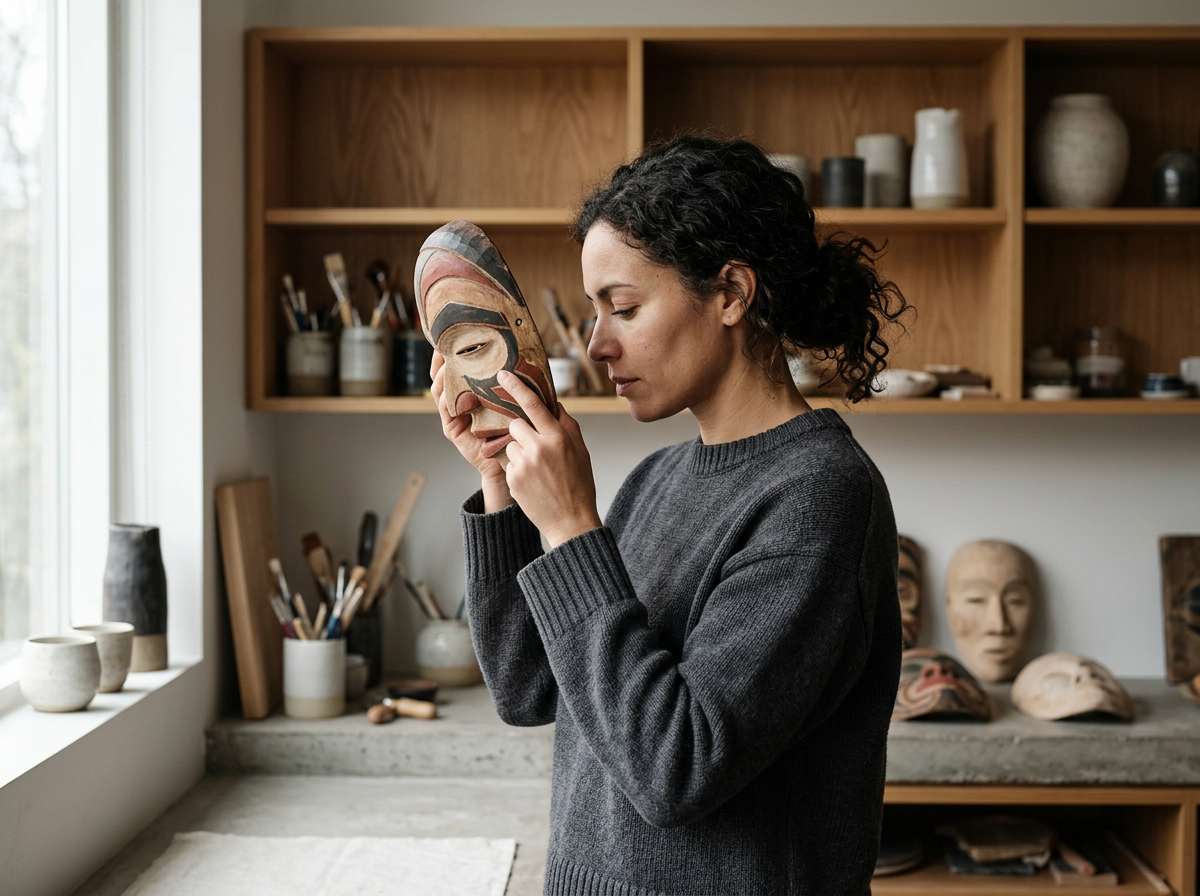
The teaching will be process-led rather than prescriptive. We will slow down and listen to what emerges through the body: the subtle movements towards and away from expression; the masks we may have learned to wear; the places where the voice becomes quieter or less our own. We will be curious about what lies beneath these adaptations and what becomes possible when they no longer need to work quite so hard.
At the heart of the course is a return to our natural state — not as something we have to create, but something that may reveal itself when there is enough safety, time and space to listen.
Jane and Gráinne bring many years of BCST practice and teaching to this work, alongside a deeply embodied way of being with process. There will be teaching and exploration, but also silence, sensing, practitioner practice and space to follow the intelligence of the body. We will consider how we recognise when we have been knocked off course and how, through our own embodied resources and the relational field, we might find our way back.
The course will be held in the beautiful surroundings of Dunhill Eco Park. Numbers will be intentionally small, allowing us to work with the intimacy and integrity that this material asks of us.
The face and voice are central to how we meet the world. They reveal something of our inner experience, but they are also places where we learn to adapt — to soften, conceal, appease or hold back in order to remain connected and belong.
In this postgraduate BCST course, Jane Shaw and Gráinne Delaney will explore the face and voice as living expressions of our physiology, our history and our relationship with others.
The teaching will be process-led rather than prescriptive. We will slow down and listen to what emerges through the body: the subtle movements towards and away from expression; the masks we may have learned to wear; the places where the voice becomes quieter or less our own. We will be curious about what lies beneath these adaptations and what becomes possible when they no longer need to work quite so hard.
At the heart of the course is a return to our natural state — not as something we have to create, but something that may reveal itself when there is enough safety, time and space to listen.
Jane and Gráinne bring many years of BCST practice and teaching to this work, alongside a deeply embodied way of being with process. There will be teaching and exploration, but also silence, sensing, practitioner practice and space to follow the intelligence of the body. We will consider how we recognise when we have been knocked off course and how, through our own embodied resources and the relational field, we might find our way back.
The course will be held in the beautiful surroundings of Dunhill Eco Park. Numbers will be intentionally small, allowing us to work with the intimacy and integrity that this material asks of us.